Toughened Glass vs Standard Glass: What’s the Difference and When Is It Required?
Glass is one of the most widely used materials in homes and buildings, yet it is also one of the least understood. Many people assume that all glass performs the same role and that the only difference between panes is thickness or appearance. In reality, the type of glass used has a direct impact on safety, compliance, durability, and long-term performance.
Understanding the difference between standard (annealed) glass and toughened safety glass is essential when repairing windows, replacing broken panes, installing glass furniture such as tabletops or shelving, or upgrading older glazing. Using the wrong type of glass can create safety risks, lead to non-compliance with regulations, and result in unnecessary breakages or future costs.
This guide explains how standard and toughened glass differ, how toughened glass is made, where safety glass is typically required in Ireland, and how modern options such as Low-E toughened glass allow safety upgrades to also improve energy efficiency.
What Is Standard (Annealed) Glass?
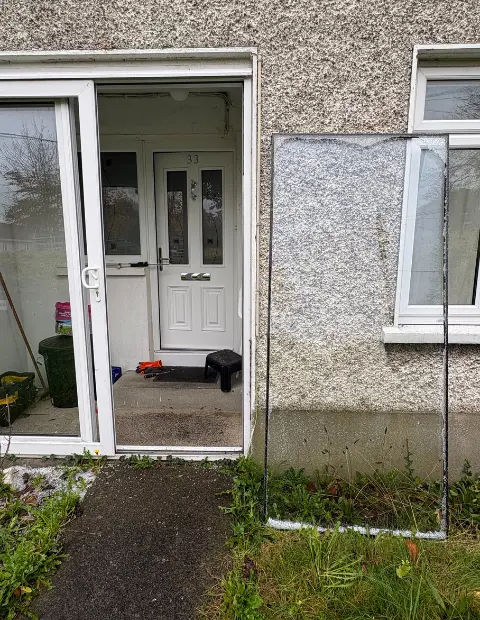
Standard glass, often referred to as annealed glass, is the most basic form of flat glass. It is produced using the float glass process, where molten glass is floated on molten tin to create a flat, uniform sheet. The glass is then cooled slowly to relieve internal stresses.
For decades, annealed glass was used almost everywhere — in windows, doors, furniture, and internal glazing. Many older homes in Ireland still contain standard glass, particularly in properties built before modern safety glazing standards became common.
However, annealed glass has clear limitations:
It has relatively low resistance to impact
It is vulnerable to thermal stress caused by temperature differences
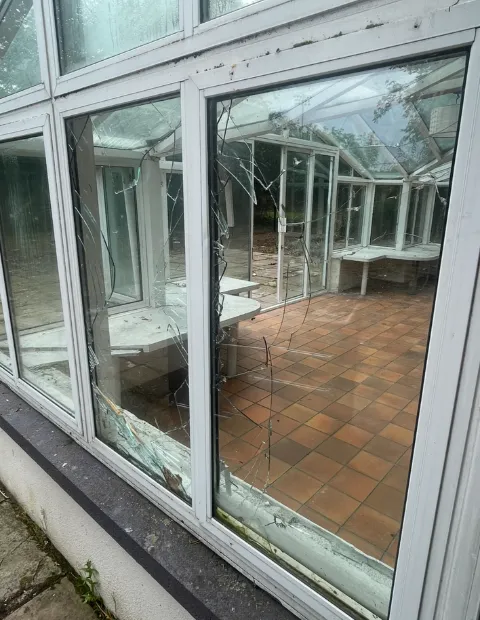
When it breaks, it fractures into large, sharp shards
These shards pose a serious risk of injury
Because of these risks, standard glass is now limited to non-hazard locations, such as high-level glazing or areas where human impact is unlikely.
What Is Toughened Glass?
Toughened glass (sometimes called tempered glass) is a safety glass designed to provide significantly greater strength and safer breakage behaviour than standard glass.
Compared with annealed glass of the same thickness, toughened glass:
Is up to five times stronger
Resists impact, bending, and sudden pressure far better
Performs more reliably under temperature changes
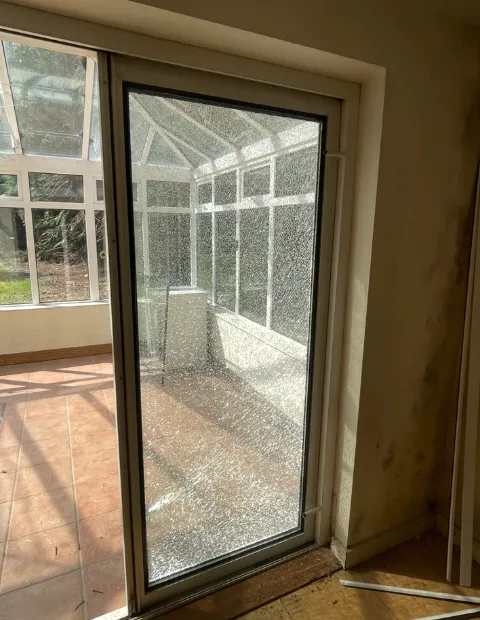
The defining safety feature of toughened glass is how it breaks. When toughened glass fails, it shatters into many small, blunt-edged fragments rather than large, dangerous shards. This dramatically reduces the likelihood of serious injury and is the reason toughened glass is specified in safety-critical locations.
Toughened glass is manufactured to European standards such as EN 12150, with impact performance classified under EN 12600, both of which underpin Irish safety glazing requirements.
How Toughened Glass Is Made
The strength and safety of toughened glass come entirely from its manufacturing process.
First, the glass is cut to its final size, and all necessary edgework is completed. This is a crucial step, as glass cannot be cut, drilled, or altered after it has been toughened.
The finished pane is then heated in a furnace to temperatures typically exceeding 600°C. Once the glass reaches a uniform temperature, it is rapidly cooled using high-pressure air jets. This process, known as quenching, creates a unique internal stress pattern:
High compressive stress at the surface
Balancing tensile stress within the core
The compressed surface layer makes it much harder for cracks to form and spread, giving toughened glass its increased strength and resistance to mechanical and thermal stress.
Why Toughened Glass Performs Better Under Real-World Conditions
In everyday use, glass is exposed to two main types of stress: mechanical stress and thermal stress.
Mechanical stress includes:
Accidental human impact
Loads from furniture such as tables or shelves
Wind pressure on windows and doors
Repeated opening and closing of moving parts
Thermal stress occurs when different areas of a pane heat or cool at different rates. This is common in:
South-facing windows
Roof glazing and canopies
Greenhouses
Areas near radiators or stoves
Standard glass is particularly vulnerable to thermal stress cracking. Toughened glass tolerates these conditions far more effectively, making it suitable for exposed locations and applications where temperature differences are unavoidable.
What Happens When Toughened Glass Breaks?
No glass is unbreakable, including toughened glass. Under extreme impact or load, it can still fail.
The critical difference lies in how it fails.
Standard glass breaks into long, sharp shards capable of causing severe injury
Toughened glass shatters into many small, blunt fragments
This controlled breakage behaviour is what makes toughened glass suitable for areas where people may fall against or collide with glass.
For certain applications, particularly overhead or structural glazing, heat-soaked toughened glass may be specified. Heat soaking reduces the already rare risk of spontaneous breakage caused by microscopic inclusions within the glass.
When Is Toughened Glass Required in Ireland?
Irish building regulations reference European glazing standards rather than listing glass types directly. In practice, this means safety glass is required in critical locations where there is a risk of human impact.
These typically include:
Doors and door side panels
Glazing adjacent to doors
Low-level glazing (commonly below around 800–900mm from floor level)
Bathrooms and shower enclosures
Areas where people are likely to fall or collide with glass
Overhead or structural glazing
The exact requirement depends on the size, location, and use of the glass. Many older properties no longer meet modern safety expectations, even if they were compliant at the time they were built.
Because regulations evolve and site conditions vary, professional assessment is always recommended when repairing or upgrading glazing.
Common Applications of Toughened Glass
Toughened glass is used extensively in both residential and commercial settings, including:
Windows and low-level glazing
Doors and adjacent panels
Bathrooms and showers
Glass tabletops
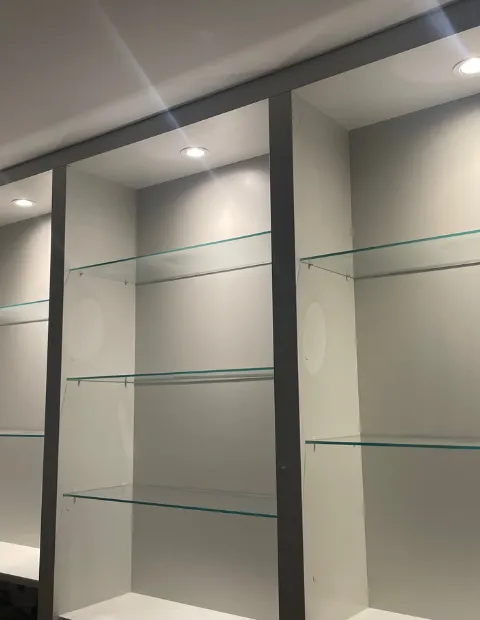
Glass shelving
Balustrades and barriers
Roof glazing and canopies
Commercial interiors such as shops, gyms, and offices
In many of these situations, toughened glass is not just preferable — it is essential.
Toughened Glass vs Laminated Safety Glass
Both toughened and laminated glass are classed as safety glass, but they behave very differently.
Laminated glass consists of two or more panes bonded together with a plastic interlayer. When broken, the glass fragments adhere to the interlayer, keeping the pane largely intact.
Key practical differences include:
Laminated glass is heavier than toughened glass
Toughened glass is lighter, placing less strain on hinges, frames, and fixings
Laminated glass offers improved security and acoustic performance
Toughened glass is often better suited to opening windows, doors, shelves, and furniture
The correct choice depends on the application and performance requirements rather than strength alone.

Toughened Glass vs Heat Strengthened Glass
Heat strengthened glass is sometimes confused with toughened glass, but the two are not the same.
Heat strengthened glass:
Is approximately twice as strong as standard glass
Offers improved resistance to thermal stress
Is not a safety glass
When it breaks, heat strengthened glass fractures in a similar way to annealed glass and must not be used where safety glazing is required.
Glass Thickness, Weight, and Structural Considerations
Safety performance is influenced not only by the type of glass but also by thickness and weight.
Thicker glass:
Improves impact resistance
Increases safety classification
Adds significant weight
Weight matters for:
Window hinges
Door hardware
Furniture supports
Structural fixings
Correct specification balances safety, performance, and structural loading to avoid unnecessary strain or over-engineering.
Upgrading from Standard Glass to Toughened Glass
In many cases, standard glass can be replaced with toughened glass without replacing entire windows or structures.
Common upgrade scenarios include:
Window repairs
Replacement of failed or broken glazing
Safety upgrades during renovations
Furniture or shelving upgrades
Frames must be assessed to ensure they can accommodate the correct thickness and tolerances, but glass-only upgrades are often a practical and cost-effective solution.
Low-E Toughened Glass: Combining Safety and Energy Efficiency
Modern glazing allows safety improvements to be combined with energy efficiency upgrades.
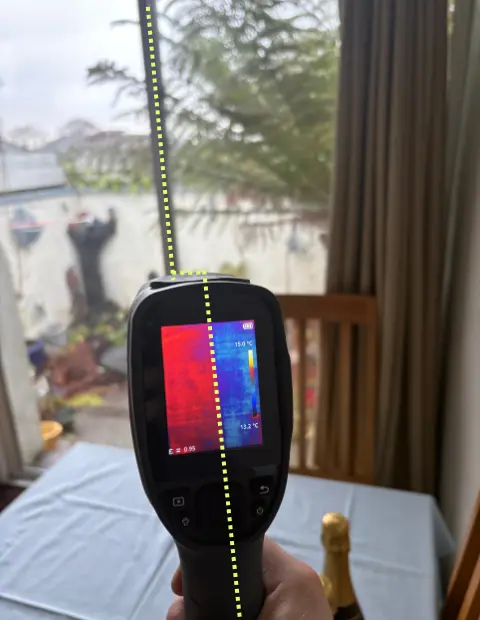
Low-E (low emissivity) toughened glass incorporates a microscopic coating that reflects heat back into the building while retaining the strength and safe breakage behaviour of toughened glass.
Benefits include:
Reduced heat loss through glazing
Improved comfort near windows
Better overall thermal performance
Increased efficiency when upgrading older glass
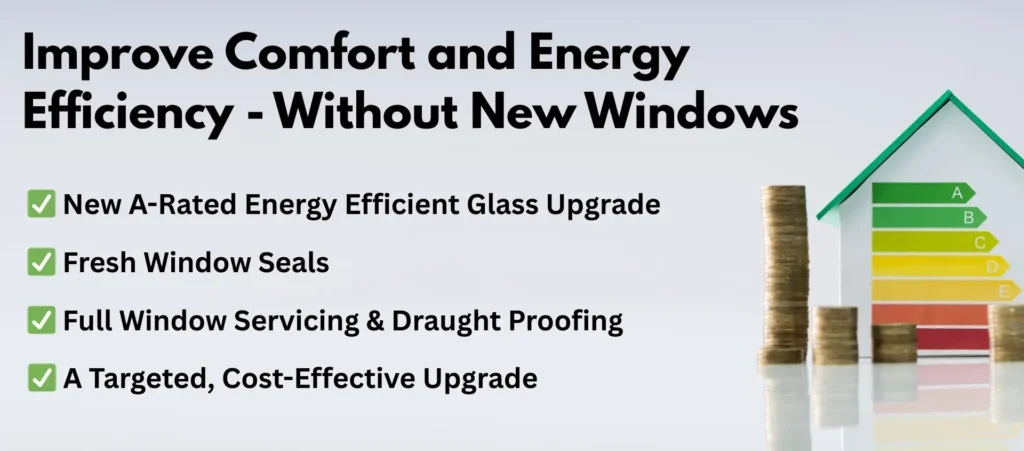
When upgrading to toughened glass — particularly during window repairs or glass replacement — specifying Low-E toughened glass can significantly improve comfort and performance without changing frames.
Toughened Glass for Tabletops and Shelving
Toughened glass is essential for glass furniture.
For tabletops and shelving, it provides:
Load resistance
Impact safety
Predictable, safer breakage behaviour
Correct thickness and polished edges are particularly important where the glass is exposed and subject to everyday use.
Common Myths About Toughened Glass
“Toughened glass never breaks.”
It can break, but it breaks safely.“All safety glass is the same.”
Toughened, laminated, and heat strengthened glass behave very differently.“Thicker glass is always safer.”
Thickness alone does not determine safety classification.
Choosing the Right Glass Type
Selecting the correct glass is not simply a design decision. It affects safety, compliance, durability, and energy performance.
Toughened glass is essential in many locations, and modern options such as Low-E toughened glass allow safety upgrades to deliver meaningful efficiency improvements as well. Professional assessment ensures the right glass is used in the right place, avoiding unnecessary risk and future cost.
Not Sure Which Glass Type You Need?
If you’re repairing windows, replacing broken glass, or upgrading older glazing, choosing the correct glass type is essential for safety, compliance, and long-term performance.
We assess your existing frames and glazing and advise on the most suitable option — whether that’s standard glass, toughened safety glass, laminated glass, or energy-efficient Low-E upgrades.
Get in touch for professional advice or a quotation.
Frequently Asked Questions About Toughened Glass
What is the difference between toughened glass and standard glass?
The main difference between toughened glass and standard (annealed) glass is strength and safety. Toughened glass is up to five times stronger than standard glass of the same thickness and is designed to break safely into small, blunt fragments. Standard glass breaks into large, sharp shards and is therefore unsuitable for many locations where human impact is possible.
When is toughened glass required in Ireland?
Toughened glass is typically required in safety-critical locations such as doors, side panels, low-level glazing (commonly below around 800–900mm from floor level), bathrooms, shower enclosures, and areas where people are likely to fall against the glass. Irish building regulations reference European safety standards rather than listing glass types directly, so professional assessment is important.
Can standard glass be replaced with toughened glass?
Yes, standard glass can be replaced with toughened glass without replacing the entire window or structure. This is commonly done during window repairs, glass replacement, or safety upgrades. The existing frame must be checked to ensure it can accommodate the correct glass thickness and tolerances.
Is toughened glass stronger than laminated glass?
Toughened glass and laminated glass are both safety glasses, but they behave differently. Toughened glass is generally stronger in terms of impact resistance and is lighter, placing less strain on hinges and frames. Laminated glass offers better security and acoustic performance but is heavier. The correct choice depends on the application rather than strength alone.
What happens if toughened glass breaks?
When toughened glass breaks, it shatters into many small fragments rather than sharp shards. This significantly reduces the risk of serious injury and is why toughened glass is specified in areas where human impact is likely. No glass is unbreakable, but toughened glass is designed to fail safely.
Can toughened glass be cut or drilled after manufacture?
No. Toughened glass cannot be cut, drilled, or altered after it has been manufactured. All cutting, drilling, and edgework must be completed before the toughening process. Attempting to alter toughened glass after manufacture will cause it to shatter.
Is toughened glass suitable for tabletops and shelves?
Yes, toughened glass is ideal for tabletops and shelving. It provides the strength required to support loads and offers safer breakage behaviour if damaged. Correct thickness and polished edges are important in furniture applications where the glass is exposed and subject to everyday use.
Is toughened glass lighter than laminated glass?
Yes. Toughened glass is lighter than laminated glass of the same thickness. This makes it particularly suitable for applications such as opening windows, doors, shelves, and furniture, where excess weight can place strain on hinges, fixings, or frames.
What is Low-E toughened glass?
Low-E (low emissivity) toughened glass combines the safety and strength of toughened glass with a microscopic coating that reflects heat back into the building. This improves thermal performance and comfort while still meeting safety glazing requirements. It is commonly used when upgrading older glazing to improve both safety and energy efficiency.
Does using Low-E double glazing improve energy efficiency?
Yes. Low-E toughened double glazing reduces heat loss through glazing by reflecting internal heat back into the room. This can improve comfort, reduce cold spots near windows, and increase overall energy efficiency, especially when replacing older or failed glass.
Is toughened glass required for roof glazing or canopies?
Yes, safety glass is required for overhead glazing such as roofs and canopies. In many cases, heat-soaked toughened glass or laminated glass is specified to reduce the risk of injury and improve long-term safety. Correct specification is essential for overhead applications.
Is thicker glass always safer?
No. While thicker glass can improve strength and impact resistance, thickness alone does not determine safety classification. Glass type, manufacturing process, and compliance with safety standards are equally important. A thinner toughened glass may be safer than a thicker standard glass in many situations.
Can older homes still have unsafe glass?
Yes. Many older homes still contain standard glass in locations where safety glass would now be expected. While these installations may have been acceptable at the time of construction, upgrading to toughened or laminated safety glass can significantly improve safety and compliance.