Double Glazing Upgrades— Improve Efficiency Without Full Window Replacement
Modern Glass Performance, Without Replacing Your Windows
Replacing every window in your home isn’t the only way to fix draughts, cold rooms, and poor insulation.
We offer a smarter alternative: A-rated energy-efficient double glazing upgrades and draught proofing your current windows.
All while keeping your existing window frames in place.
This delivers modern thermal performance, reduced heat loss, and improved comfort, typically 60% cheaper than full window replacement
A Smarter Way to Upgrade Your Windows
Many homeowners are told that replacing the entire window is the only solution. In reality, that’s rarely true.
In most older homes:
The glass is the biggest source of heat loss
The majority of Draughts come from worn seals, hinges, and handles — not structural gaps
uPVC, timber, and aluminium frames often remain sound for decades
A double glazing upgrade bridges the gap between expensive full replacement and doing nothing — delivering modern performance without unnecessary waste, mess, or cost.

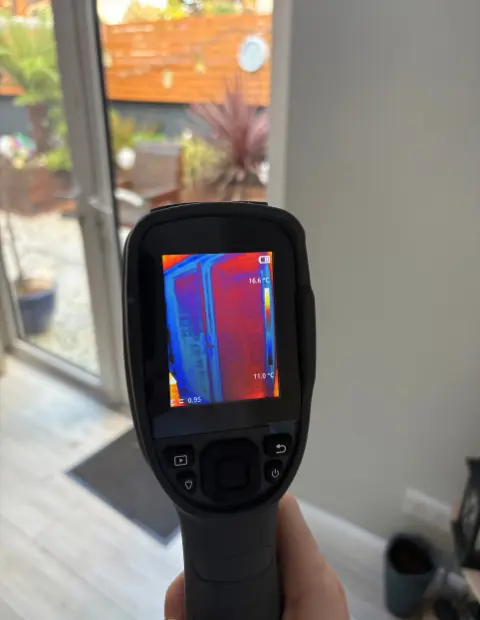
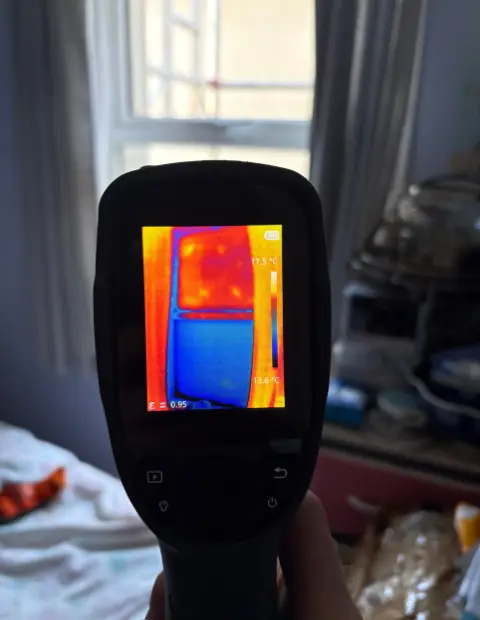
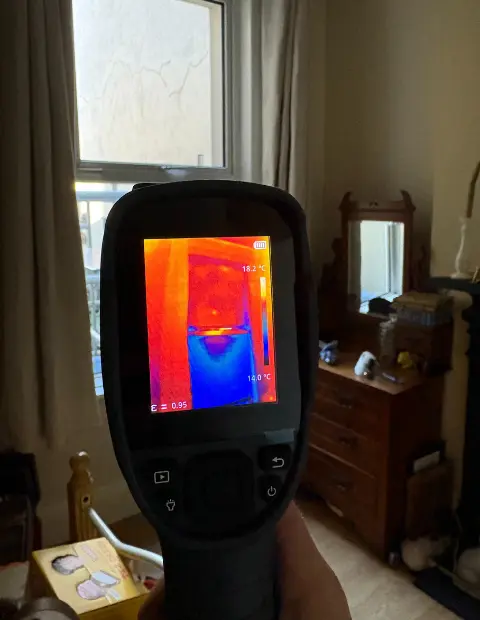
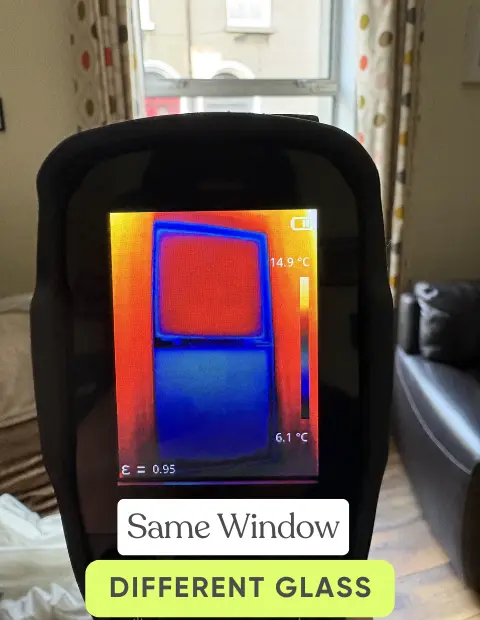
Thermal Imaging Shows How Much Better 'A Rated' Glass Is
Real thermal scans from completed upgrades in Dublin & Wicklow, showing how modern energy efficient glass reflects heat back into the home for better comfort and lower heating bills.
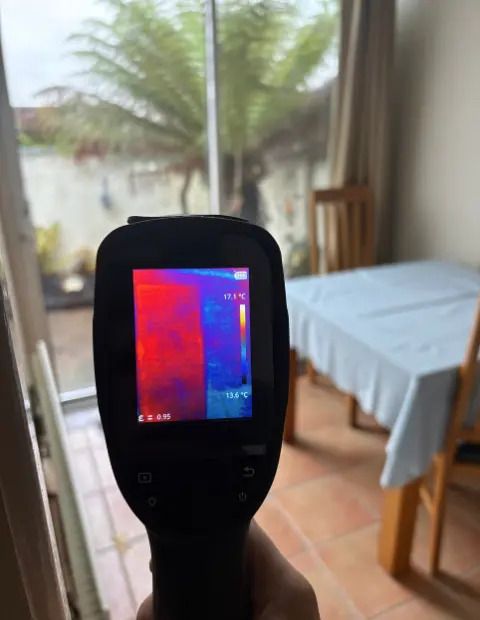
New A-Rated Glass Reflects Heat Back Indoors
These thermal scans show strong red areas on the inner pane — clear evidence of modern Low-E coated glass reflecting heat back into the room. This is the core function of energy-efficient glazing and a major reason homeowners feel a noticeable improvement in warmth.
Old Double Glazing Allows Heat to Escape Easily
Purple and blue zones indicate where outdated double-glazed units lose heat through the glass. Even if the frames look fine, older glass technology cannot retain warmth. This is why rooms feel cold, drafts increase, and heating systems must work harder to maintain comfort.
Modern Low-E Technology Improves Indoor Comfort
Upgraded glazing creates a more uniform temperature across the window surface, reducing cold spots and heat loss. With heat reflected back inside, homes stay warmer for longer and become significantly more energy-efficient without replacing the window frames.
Why is Modern Double Glazing So Much Better?
Together, these technologies create A-rated glass units with U-values as low as 1.2 W/m²K, significantly better than older double glazing (typically 2.8 W/m²K).
Low-E (Low Emissivity) Coating
A transparent microscopic coating reflects interior heat back into your home while allowing daylight through — cutting radiant heat loss dramatically.
Argon Gas Fill
The space between panes is filled with argon, a dense inert gas that reduces convection and improves insulation by up to 30% compared to air-filled units.
Warm-Edge Spacer Bars
Composite spacer technology replaces conductive aluminium, preventing “cold bridges” around the glass edge and reducing condensation risk.
Enhanced Seal Systems
Modern sealants and desiccants keep moisture and gas leakage to a minimum, ensuring stable performance for decades.
New Vs Old Double Glazing Comparison
| Technology | Function | Benefit |
|---|---|---|
| Low-E Coating | Reflects radiant heat back into your home | Up to 40% less heat loss |
| Argon Gas Fill | Denser than air, reduces convection | Improves insulation by up to 30% |
| Warm-Edge Spacer Bars | Non-metallic edges prevent “cold bridging” | Lower condensation and edge losses |
| Dual Seal Systems | Keep gas in and moisture out | Extends lifespan by 15+ years |
Indicative Thermal Performance
Illustrative comparison based on typical performance of common glazing types installed in Irish homes. Actual performance varies depending on age, seal condition, and specification.
Why Upgrade Your Double Glazing?
Double glazing has evolved dramatically over the past two decades. Homes fitted during the 1990s or 2000s often use standard air-filled units that lack Low-E (low emissivity) coatings or gas cavities. These units can lose farm more heat than today’s glass — even when they still appear clear.
Our Double Glazing Upgrades are one of the simplest and most cost-effective upgrades you can make to your home.
Common Signs Your Double Glazing Needs Replacing
Condensation or fogging between panes
Cold patches near windows despite heating
Rising heating bills every winter
Windows cold to the touch
Fading furniture or flooring from UV exposure
Draughts even when windows are closed
If any of these sound familiar, your double glazing has likely reached the end of its performance life.
What’s Involved in a Double Glazing Upgrade
A double glazing upgrade replaces the existing sealed glass units within your frames — not the entire window.
Here’s how it works:
Inspection & Measurement
We assess your frames, seals, and hardware to confirm suitability.Custom Manufacturing
Each replacement glass unit is made to exact size, with A-rated performance and warm-edge technology.Removal & Installation
Old units are carefully removed and recycled; new ones fitted, sealed, and packed correctly for airtight compression.Frame Servicing
Hinges, handles, and seals are adjusted or replaced to eliminate draughts and ensure full airtight closure.Final Checks
We clean and test every window, confirming smooth operation and a perfect seal.
The process is clean, fast, and typically completed in one day, with no interior damage or redecorating required.
A Complete Window Performance Package — Not Just New Glass
Every double glazing upgrade includes a full service of your existing window frames to restore proper function and airtightness. It’s not just about upgrading the glass — it’s about bringing your whole window system back to peak performance.
Included in Every Upgrade if they are needed:
Hinges adjusted or replaced to ensure windows close firmly and evenly
Handles secured or upgraded for correct compression and a perfect seal
New weather seals fitted to stop draughts and prevent heat loss
A-rated double glazing installed for long-term warmth, clarity, and energy efficiency
The result is a window that looks the same — but performs like new.
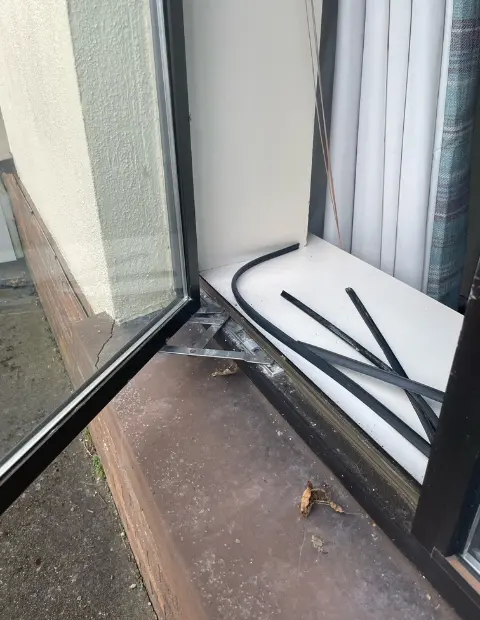
When a Double Glazing Upgrade Makes Sense
Not every home needs full window replacement. In many cases, upgrading the glass and restoring seals, hinges and handles delivers the comfort and efficiency improvements homeowners are looking forA double glazing upgrade is typically the right choice when one or more of the following apply.
Your windows are 15+ years old
Frames from this era are often still structurally sound, but the original double glazing has usually lost its insulating gas and thermal performance. Modern A-rated glass can dramatically reduce heat loss without replacing the frames.
You want to lower your energy bills
Upgrading to modern low-E, argon-filled glass reduces heat escaping through the window — often the single largest source of loss in a room — without the cost or disruption of full window frame replacement.
Full window replacement feels like too much
When frames are solid, replacing only the glass delivers most of the efficiency benefit at a fraction of the cost — without plastering, repainting, or external works.
You want a fast, tidy upgrade
Most double glazing upgrades are completed within a single day, with minimal disruption and no mess — making it one of the quickest ways to improve comfort in your home.
You want better home comfort
Even when it looks ok, older double glazing underperforms by modern standards. Upgrading improves internal glass temperature, reduces heat loss, and makes rooms feel more even and comfortable — especially near windows.
Your frames are still in good condition
If your window frames suit your home and operate well, there’s no need to remove them. A glass upgrade preserves the appearance you like while restoring modern thermal performance.
You don't want to spend tens of thousands on new windows
A glass upgrade delivers meaningful comfort and efficiency improvements at a significantly lower cost than full window replacement — without changing your frames.
You want results without a renovation
A double glazing upgrade improves warmth and efficiency without the planning, disruption, cost or downtime that often comes with full window replacement.
In some cases, full window replacement makes more sense — particularly where frames are warped, rotten, poorly installed, or unsuitable for modern insulated glazing. A straightforward assessment will confirm the most sensible approach for your home.
Double Glazing Upgrades in Dublin
South Dublin alone contains thousands of semi-detached and detached homes built during the late 1990s and 2000s — in areas like Stillorgan, Dundrum, Rathfarnham, Knocklyon, Sandyford, Ballinteer, and Churchtown — when standard double glazing first became common. While those windows looked modern at the time, most units are now 15–25 years old, with worn seals and old inefficieng glass.
Across Terenure, Rathgar, Blackrock, Dalkey, Foxrock, and Dun Laoghaire, homeowners are finding their glass no longer holds in heat the way it once did.
Replacing entire windows isn’t necessary for most of these properties. Our glass retrofit service results in warmer rooms, tighter closure, and reduced heat loss — all without construction mess or major expense.
Book your free call-out today to see how modern glazing can transform your Dublin home.
Glass Upgrades in Wicklow
Wicklow’s rapid growth during the 2000s — particularly in Bray, Greystones, Delgany, Wicklow Town, Arklow, and Blessington — left thousands of homes fitted with early-generation double glazing that no longer performs efficiently.
Much of this glass has lost its insulating gas, and the seals around the panes have begun to shrink, allowing heat to escape and cold air to enter.
Even when frames remain solid, these small failures can add up to noticeably colder rooms and higher energy bills.
Our glass retrofit service gives Wicklow homeowners a fast, tidy, and cost-effective upgrade — ensuring your windows perform like new at a fraction of the cost of full replacement.
Get In Touch For A Double Glazing Upgrade Quote
Upgrade your windows the smart way — request your free double glazing quote below.
Double Glazing Upgrade FAQs — Everything You Need to Know Before Upgrading
Upgrading your windows can raise a lot of questions, especially if you’ve never heard of glass-only retrofits before. Below, we’ve answered the most common queries we get from homeowners about how the process works, which frames are suitable, and what kind of results you can expect.
Is my double glazing still efficient after 15–20 years, or should I consider a double glazing upgrade?
In many Irish homes, double glazing installed 15–20 years ago no longer performs anywhere near modern A-rated standards. Early-generation glass units often contained minimal insulating gas, and the perimeter seals were not designed for multi-decade durability. Over time, the gas between the panes slowly dissipates, the warm air inside your home escapes, and the inner pane becomes colder.
Simultaneously, essential window hardware naturally wears from daily use. Hinges slacken, seals flatten, and handles lose compression — all of which create micro-gaps that allow cold draughts to enter even when the window appears to be fully closed.
A double glazing upgrade modernises the insulation of your existing frames by installing A-rated Low-E glass with argon gas fill, warm-edge spacers, and new or restored seals. This immediately reduces heat loss, stabilises room temperature, and restores the airtightness your windows originally had.
For most homes, this is the most cost-effective route to achieving contemporary insulation performance without needing to replace the window frames.
Why do my windows feel draughty even though they look perfectly fine?
Draughts rarely come from visible gaps or cracks. Instead, they almost always result from subtle mechanical wear:
Flattened or perished rubber seals that no longer compress tightly against the frame.
Loosened hinges that allow the sash to sit slightly out of alignment.
Handle and locking mechanisms that no longer pull the sash firmly closed.
Aged, non-Low-E glazing that transfers cold into the room and creates a cold downdraft effect.
Because these issues develop gradually, many homeowners do not realise how much insulation they have lost. A double glazing upgrade resolves this by replacing the glass, renewing seals, and ensuring all hardware is properly aligned and functioning. The result is a warmer, more comfortable interior without the need for full frame replacement. See a more in depth explanation of why your windows get draughty here.
Why do windows get draughty over time?
Windows lose airtightness for three primary reasons:
Seal fatigue: Rubber seals harden, shrink, or lose elasticity due to UV exposure and age.
Mechanical wear: Hinges and handles suffer from thousands of open/close cycles, causing slight gaps.
Thermal bridging from outdated glass: Older double glazing conducts more heat, making the inner pane colder and creating convection currents that feel like draughts.
A professional double glazing upgrade includes a full assessment and correction of these issues. New Low-E glass ensures the interior pane stays warmer, reducing cold air movement, while serviced hinges and seals restore airtightness throughout the house. See our ‘why windows get draughty‘ blog post here to find out more information.
What is a double glazing upgrade, and how does it differ from full window replacement?
A double glazing upgrade replaces only the insulated glass units and restores your existing frames so they perform like modern windows. This involves:
Removing old or failed double glazing
Installing new A-rated Low-E, argon-filled units
Renewing weather seals
Servicing hinges and handles to ensure correct compression and airtight closure
Because the frames remain in place, there is no construction work, no plaster damage, and no redecorating. In contrast, full window replacement requires removal of the frames, internal finishing, external sealing, and often significant follow-up work.
A glazing upgrade delivers nearly identical insulation performance to new windows at 40–60% less cost and with far less disruption.
How much heat is lost through older double-glazed windows?
A surprising amount. Many Irish homes still have double glazing with U-values of 2.8–3.0, meaning they allow heat to pass through quickly. As these units age and lose their gas fill, their performance continues to decline.
Modern A-rated Low-E units with argon gas routinely achieve U-values around 1.2, offering vastly superior insulation. This reduces heat loss through conduction and keeps rooms noticeably warmer with less reliance on your heating system.
A double glazing upgrade is one of the most impactful and immediate ways to reduce heat loss in typical Irish homes, especially during winter.
What is Low-E glass, and why is it essential for a double glazing upgrade?
Low-E (low emissivity) glass has a transparent, microscopic coating that reflects heat back into your home while still allowing natural light through. It dramatically reduces heat loss compared to older clear glass units.
Low-E technology is the foundation of nearly all modern A-rated glazing systems. Without it, your windows cannot meet contemporary insulation standards. Upgrading to Low-E glass is often the single biggest improvement you can make to the energy efficiency of your existing frames.
What role does argon gas play in modern double glazing? Does it leak out over time?
Argon gas fills the cavity between the two panes and acts as a highly effective insulator. It slows heat transfer and keeps the inner pane warmer.
All gas-filled windows lose a small amount of argon over time due to natural diffusion, but older units — especially those installed in the early 2000s — have often lost most of their insulating gas. Once enough gas escapes, the window becomes significantly less effective at retaining heat.
A double glazing upgrade installs new units with a full argon gas fill and improved multi-layer seals designed to maintain gas retention for decades.
What is a warm-edge spacer bar, and does it matter?
Yes — it matters significantly. The spacer is the strip that separates the two panes. Older windows used aluminium spacers, which are highly conductive and create cold edges around the glass. These cold spots contribute to condensation and discomfort.
Warm-edge spacers, now standard in modern A-rated glazing, are made from advanced composite materials that conduct far less heat. They reduce condensation, improve uniform insulation across the pane, and prevent the cold-edge effect common in older windows.
A proper double glazing upgrade always includes warm-edge spacer technology.
What causes double glazing to fog up or mist between the panes?
Fogging or misting inside a double glazed unit is a sure sign that the sealed unit has failed. When the perimeter seal breaks down, moisture enters the cavity and condenses on the interior surfaces. This cannot be repaired.
A double glazing upgrade replaces the failed unit with a new A-rated insulated glass unit and ensures that seals, spacers, and gas cavities function as intended. Fogging on the inside of your home often reduces after upgrading because the inner pane becomes warmer and less prone to condensation.
Will a double glazing upgrade improve comfort in winter?
Yes — and dramatically. Older double glazing allows heat to escape and the inner pane becomes cold. This creates convection currents, cold downdrafts, and uneven room temperatures.
With an upgrade:
The inner pane stays warmer
Draughts are eliminated through seal and hinge servicing
Cold spots around windows disappear
Rooms maintain heat for longer
Most homeowners report that their upgraded rooms feel warmer within 24 hours, especially bedrooms and living rooms.
Is triple glazing worth it, or is a double glazing upgrade enough?
For the vast majority of Irish homes, a modern double glazing upgrade is more than sufficient — and far more practical than installing triple glazing. While triple glazing can offer a marginal thermal improvement on paper, it comes with several significant drawbacks that homeowners are often not aware of:
1. Triple glazing requires entirely new frames in almost every case.
Existing uPVC and aluminium frames fitted in Irish homes over the last 20–30 years were not designed to carry the weight or thickness of triple-glazed units. To fit triple glazing safely, manufacturers typically insist on completely replacing the frames, which drastically increases cost and disruption.
This means triple glazing is not simply “3 panes instead of 2” — it is a full window replacement project, involving removal of old frames, plaster repair, internal finishing, external sealing, and often painting.
2. The cost difference is enormous.
Replacing all frames for triple glazing is one of the most expensive insulation upgrades a homeowner can undertake. In contrast, a double glazing upgrade keeps your existing frames and focuses on the components that actually deliver most of the insulation — the glass, gas fill, warm-edge spacers, seals, and hardware components.
3. Triple glazing adds significant weight.
Even purpose-built frames experience additional wear from heavier triple-glazed units. Hinges, locking points, and seals must work much harder, and long-term durability depends heavily on installation quality.
4. The real-world benefit in Ireland’s climate is limited.
Ireland’s relatively mild winters mean the performance gap between A-rated Low-E double glazing and triple glazing is far smaller in practice than it appears on paper. For most households, the difference is imperceptible, especially once airtightness issues (hinges, seals, alignment) are resolved.
The bottom line:
Unless you are constructing a passive-house-standard home or undertaking a full-frame replacement for other reasons, a high-quality double glazing upgrade offers the best balance of comfort, insulation, cost savings, and minimal disruption. It delivers modern, high-performance glazing — without tearing out perfectly good frames or paying for unnecessary construction work.
How disruptive is the double glazing upgrade process?
A double glazing upgrade is one of the least disruptive home improvements available. Because the frames remain in place:
No plastering
No painting
No dust or debris
No risk to surrounding décor
Each window takes approximately 30–60 minutes to complete, and most homes are upgraded in a single day.
How long does a double glazing upgrade take?
Most homes can be fully upgraded in one day, depending on window quantity and accessibility. The process involves removing the old glass, installing the new units, renewing seals, and servicing hardware for proper alignment and airtight closure.
Can I upgrade only the coldest rooms first?
Yes. Many homeowners begin with north-facing rooms, sitting rooms, or bedrooms where comfort issues are most noticeable. Because the process does not require frame replacement, a double glazing upgrade can be carried out in phases.
Each upgraded room will immediately hold heat better and feel noticeably more comfortable.
Does a double glazing upgrade affect BER ratings or qualify for SEAI grants?
Currently, glass-only upgrades do not qualify for SEAI grants, which prioritise whole-frame replacements or full insulation measures. A double glazing upgrade may contribute slightly to BER performance but will not transform the rating on its own.
However, the real benefit is practical comfort and immediate heat retention, without waiting lists or grant-linked pricing.
Are double glazing upgrades by P Fahy Glazing Ltd guaranteed?
Yes. All insulated glass units supplied and installed by P Fahy Glazing Ltd include a 10-year guarantee covering fogging or internal condensation caused by seal failure. Our installation process ensures proper compression, airtightness, and long-term performance.
Are all window frames suitable for a double glazing upgrade?
Most uPVC and many aluminium frames are excellent candidates for retrofitting. Frames that typically cannot be upgraded include:
Timber frames with rot or water damage
Aluminium frames without thermal breaks
Frames with structural deformation or installation defects
In such cases, we provide transparent recommendations for alternatives. Our priority is ensuring that any upgrade genuinely improves comfort, efficiency, and durability.
Where do you carry out double glazing upgrades?
We carry out professional double glazing upgrades throughout Dublin and Wicklow, where the majority of our residential and commercial retrofit work takes place. These counties contain a large stock of homes built during the 1990s–2000s building boom, many of which now have ageing double glazing that no longer meets modern insulation standards. Our service is specifically designed to help homeowners upgrade these existing frames with A-rated Low-E units — quickly, cleanly, and without the cost of full window replacement.
Across South Dublin, North Dublin, Dublin City, and the wider Wicklow region, we regularly complete upgrades in areas such as:
Rathfarnham, Knocklyon, Terenure, Templeogue
Dundrum, Stillorgan, Blackrock, Deansgrange
Dalkey, Killiney, Dun Laoghaire
Bray, Greystones, Delgany, Kilcoole
Wicklow Town, Ashford, Arklow
These are typical locations where older glazing has begun to fail, lose insulating gas, or develop draught issues from worn seals and hardware. Our double glazing upgrade process is ideally suited to these homes because the frames are almost always structurally sound and simply need new A-rated glass, fresh seals, and serviced hinges to restore full performance.
While Dublin and Wicklow are our core service areas, we can travel further when required for larger projects, full-house upgrades, or commercial work. If you’re outside these counties and unsure whether a double glazing upgrade is feasible for your property, we can provide guidance and arrange a site visit where appropriate.
A modern glazing retrofit delivers immediate comfort improvements regardless of location — warmer rooms, fewer draughts, clearer glass, and significantly better heat retention — all without replacing perfectly good window frames.